
Our History
The History of the Fargo Public Library: Photo History and Timeline
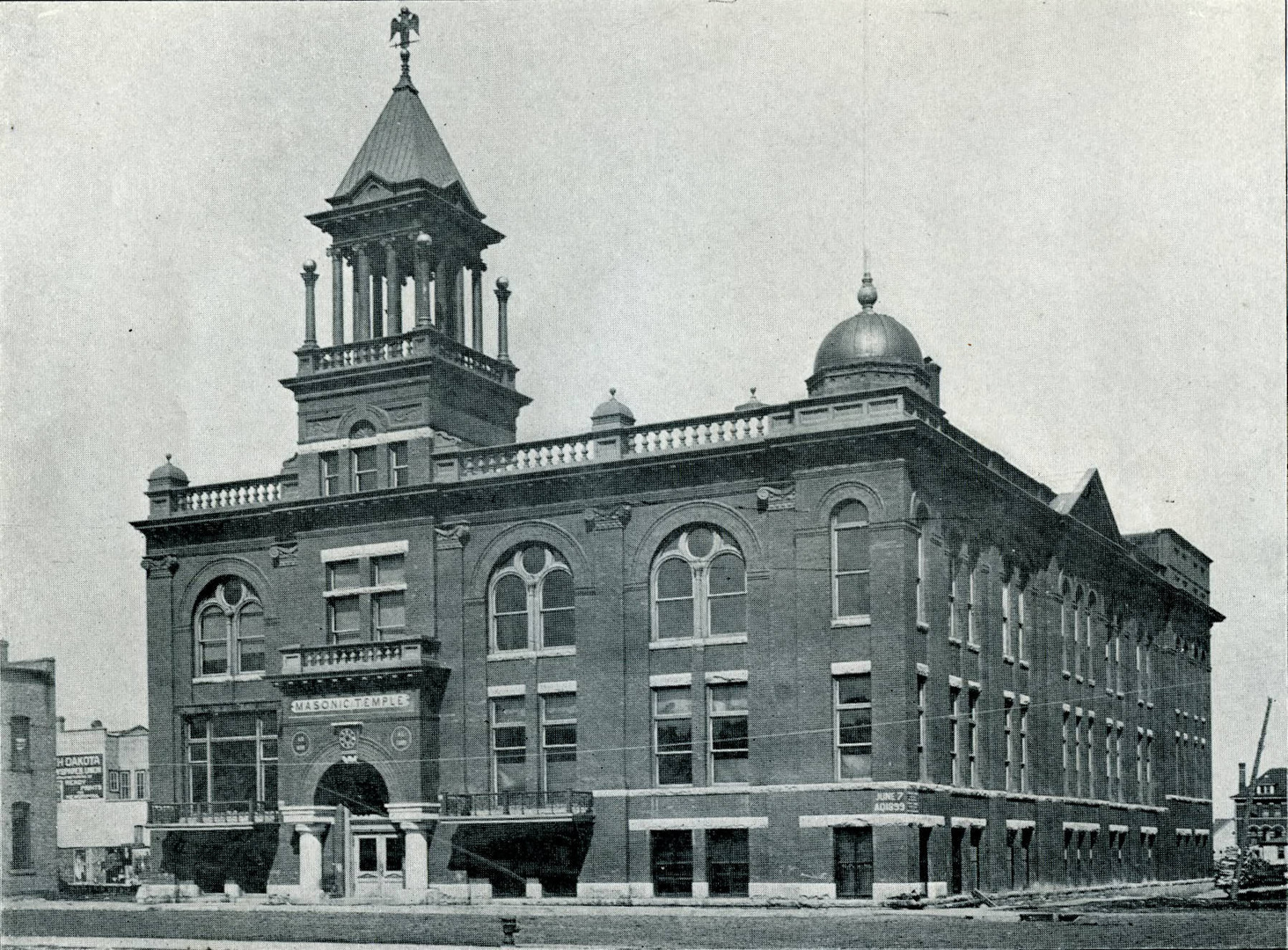
Fargo's first library was in the basement of the Masonic Temple
• 1882: a group of local businessmen who went on to become the Fargo Library Association met for the first time to talk about creating a public library in Fargo. In January of 1883 they accepted a local business man’s offer of a space and the first public lending library in Fargo was created.
• March 15, 1900: The Fargo Women's Club asks the city commission to propose funding to build a Carnegie-grant library.
• April 1900: The voters of Fargo approved funding for a public library in a vote of 295 to 60 and that November an ordinance was passed to create the Fargo Public Library.
• January 7, 1901: Opening day for the Fargo Public Library, which at that time was housed in the Masonic Temple. An application had already been submitted for a Carnegie Library building which would become the first building constructed specifically to provide Fargo with public library services.
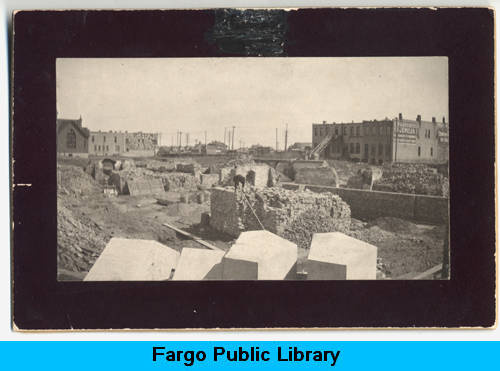
Fargo's Carnegie Library Construction and Opening
• March 18, 1901: The Library Board formally accepts a $20,000 Carnegie grant .
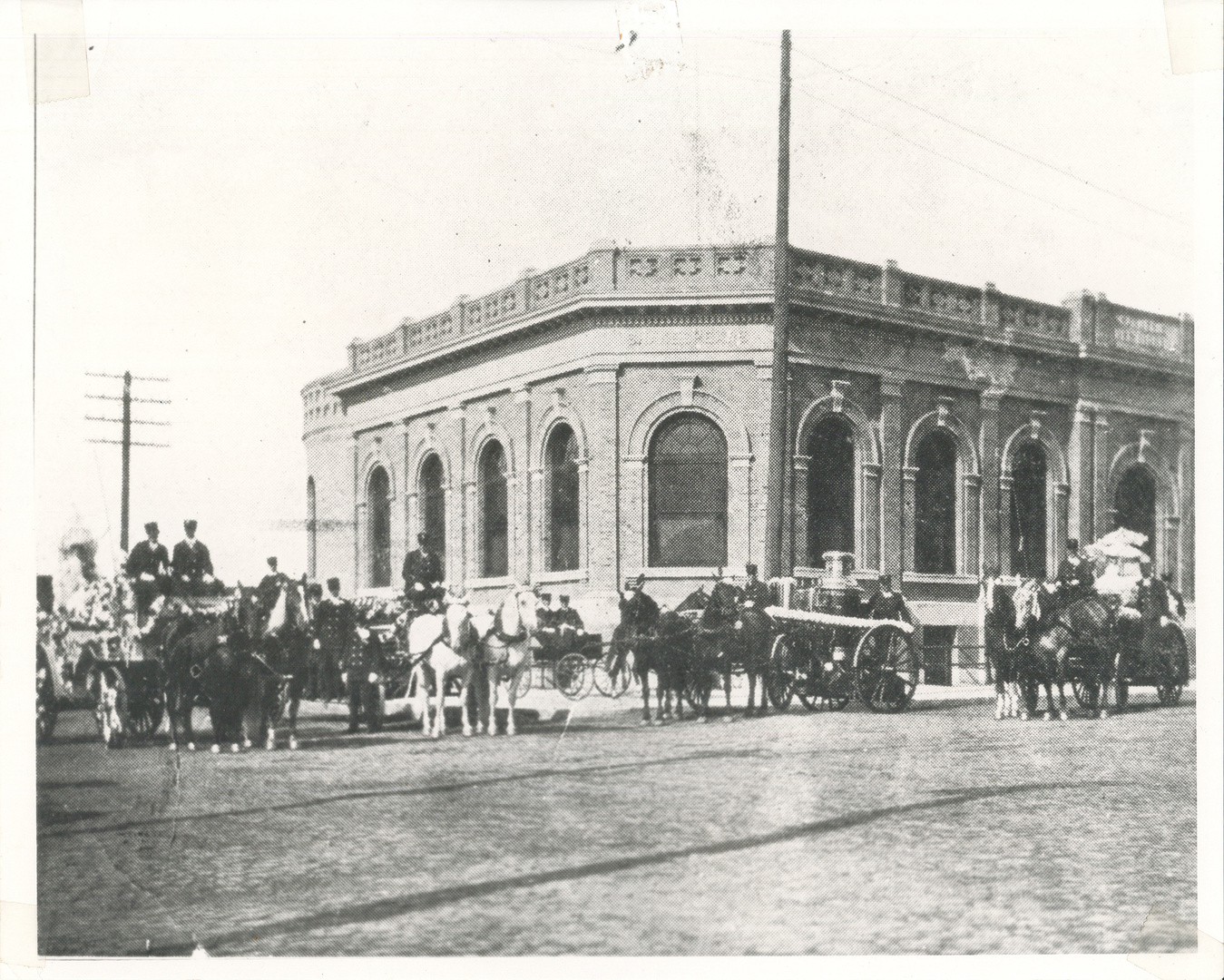
• January 26, 1903: Fargo's Carnegie Library location opens at the corner of Roberts St. and 2nd Avenue North. Approximately 2,500 people attended the grand opening. The Carnegie Library would be home to the Fargo Public Library for more than 60 years. The Carnegie Library building is no longer standing.

• 1910: Fargo had a population of 14,331 and the Fargo Public Library had 9,491 items in its collection. With 26,023 checkouts that year, each item was borrowed an average of three times.
• 1917 to 1919: People across the United States supported the war effort during World War I, and the Fargo Public Library was no exception. From 1917-1919 the Library assisted the Red Cross and Local Food Conservation Movement and sent boxes of books to soldiers overseas multiple times.
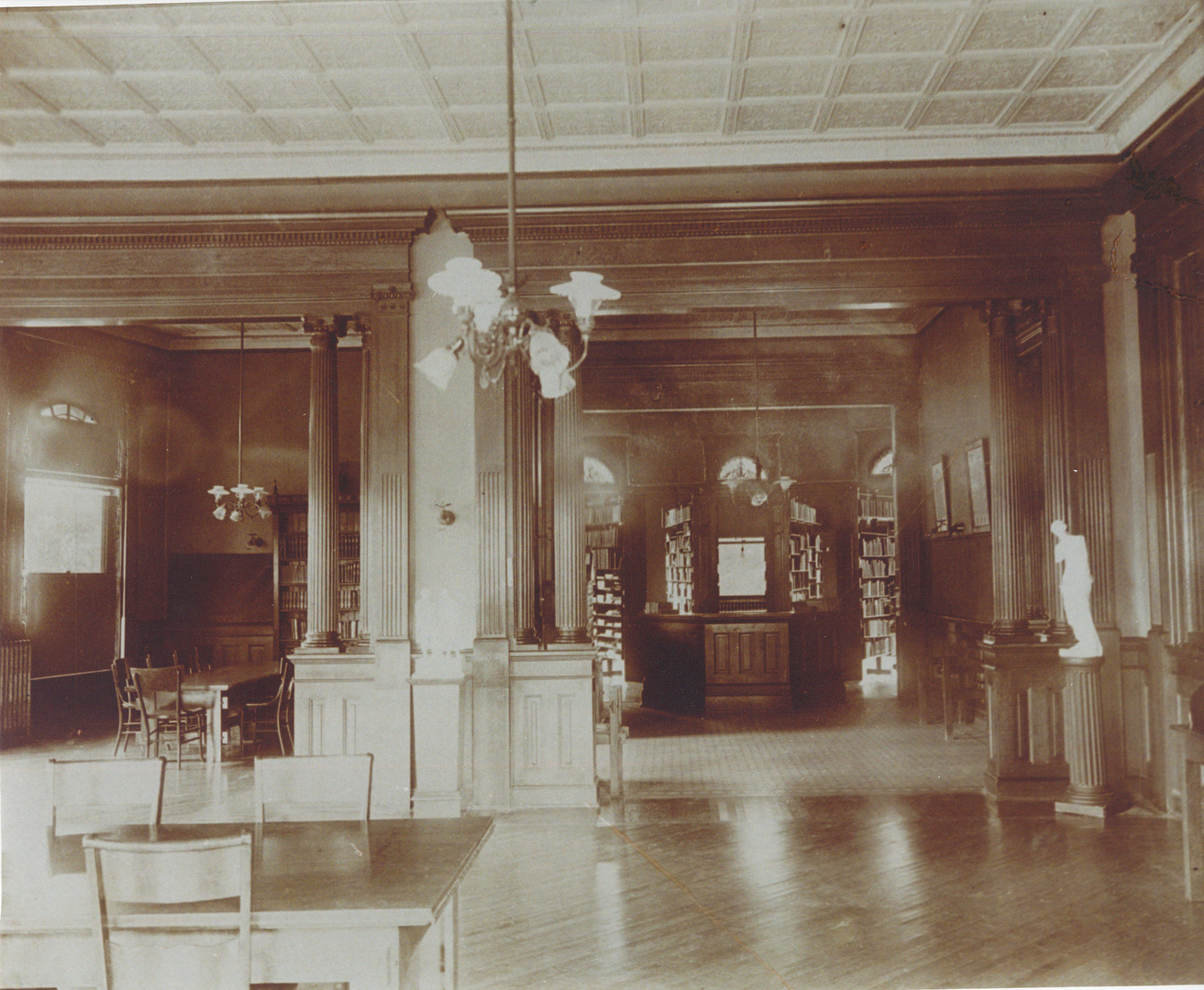
• 1920: Fargo had a population of 21,961 and the Fargo Public Library had 15,788 items in the Library's collection. With 80,895 total checkouts that year, each item in the Library's collection was borrowed an average of five times.
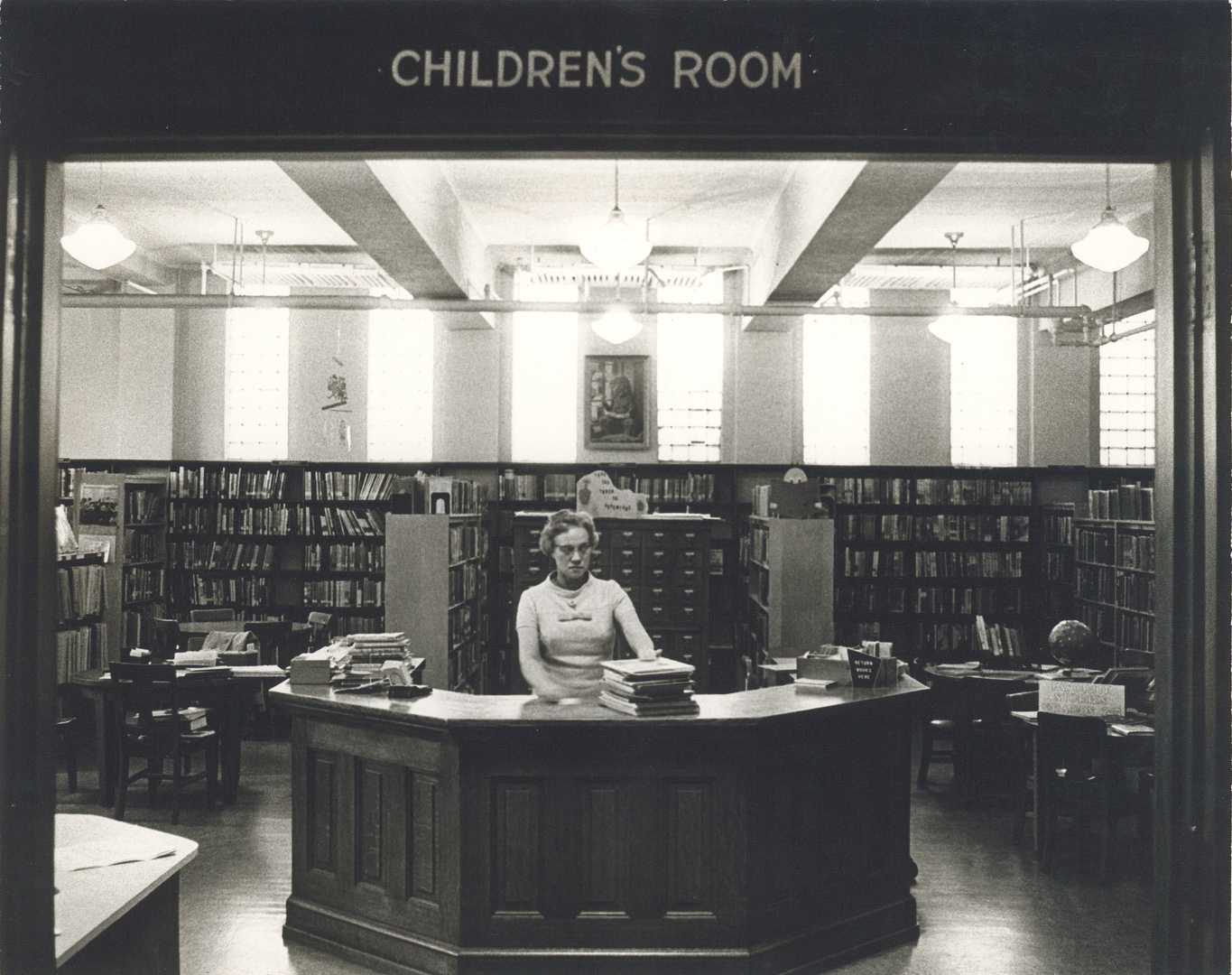
• 1930: Fargo had a population of 28,619 and the Fargo Public Library had 26,699 items in its collection. With 172,799 total checkouts that year, each item was borrowed an average of six times. It was becoming clear that the Library needed more space to support the needs of our growing city.
• 1936: The basement of the Carnegie Library building was remodeled to create a children’s room.
• 1939: With growing demand for Library services, the Fargo Public Library needed more space and in 1939 that need was filled by adding a new wing onto the Carnegie Library building. The new wing doubled the space, allowing the Library to make more books than ever available to the people of Fargo.

• 1940: Fargo had a population of 32,580 and the Fargo Public Library had 38,278 items in the Library's collection. With 199,878 checkouts that means each item was checked out an average of five times. Fargo was full of readers.
• October 1940: The Fargo Public Library started delivering books to patients at St. Luke’s and St. John’s hospitals. This was the beginnings of what we now call Outreach Services, delivering books and library programs to Fargo residents whose health prevents them from visiting a library building. During just the first three months of the program, 553 books were delivered to patients at the two Fargo hospitals.
• 1942 to 1943: The Library once again joined the war effort and collected books as part of a Victory Books campaign to send to American soldiers.
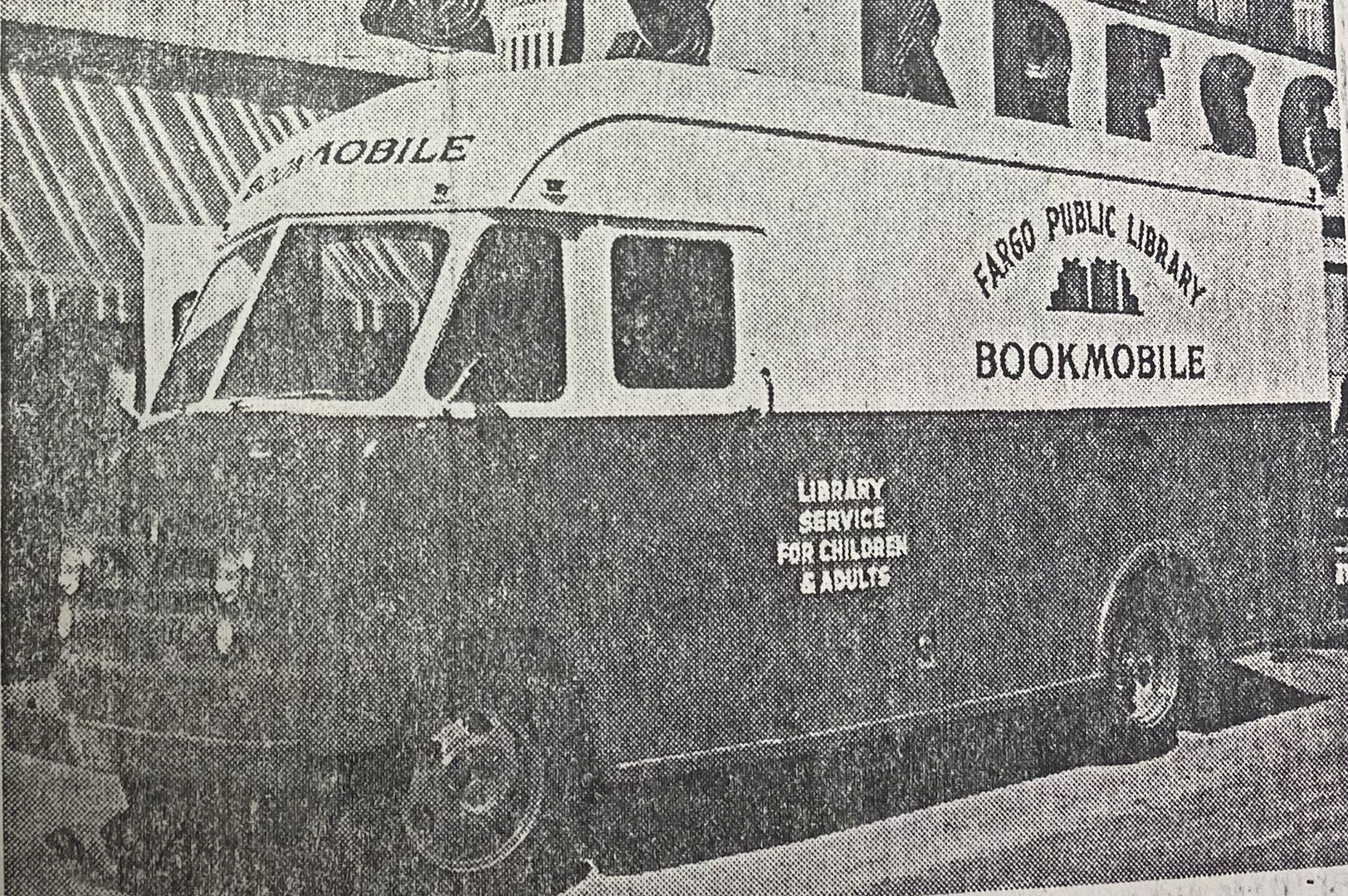
Fargo's First Bookmobile Arrived in April 1961
• 1961: Bookmobile service began with a used bookmobile from Grand Forks and an inaugural route of 13 stops. Bookmobile service would continue for another 45 years with 3 bookmobile vehicles in that time. The first Bookmobile librarian was Kathryn Rogne and her husband Leslie drove the Bookmobile.
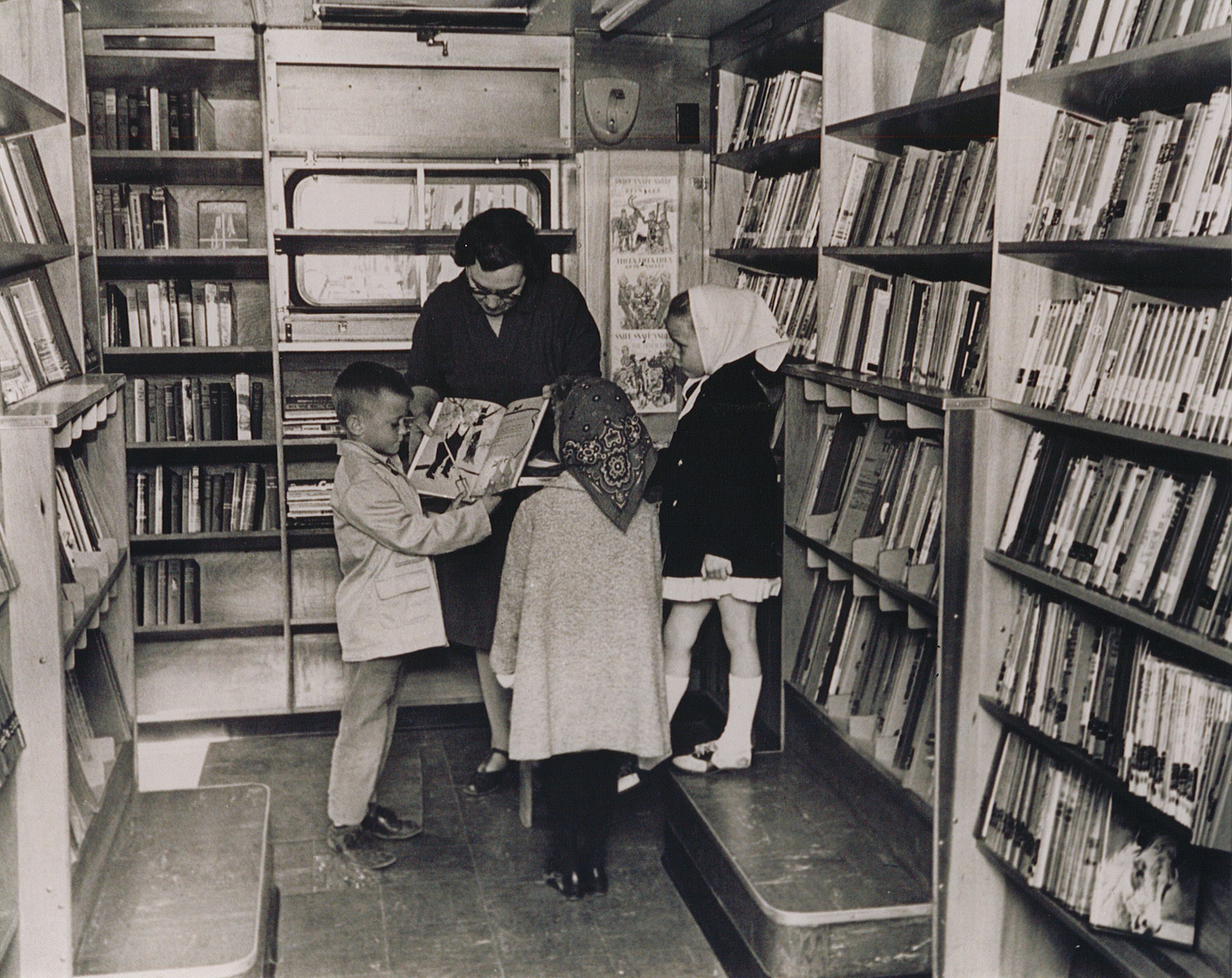
• April 1961: A look inside Fargo's first Bookmobile on its first day in service in April 1961 with Librarian Kathryn Rogne and children.
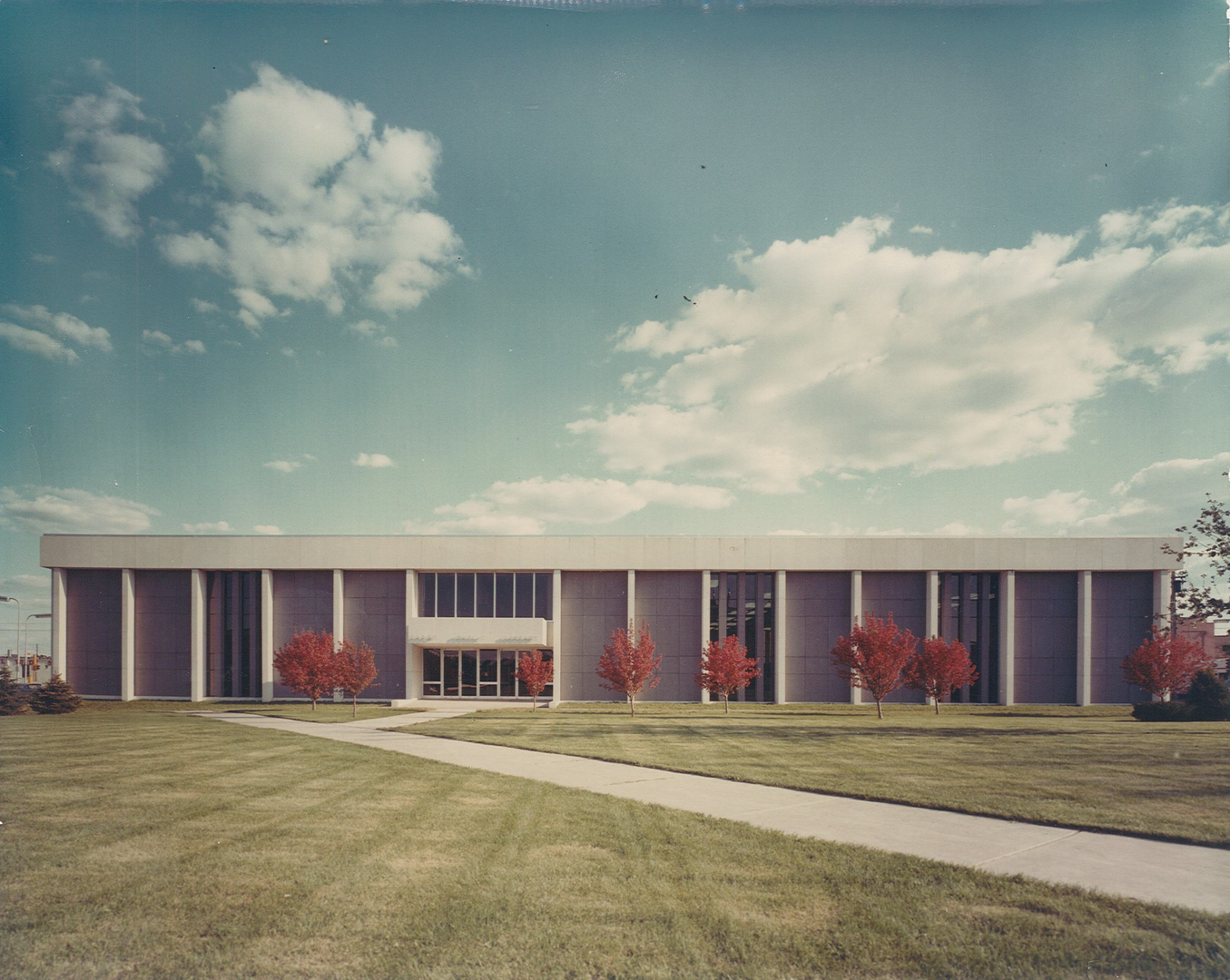
The 1968 Library Building
• 1963: The Library added a collection of framed art prints that library patrons could borrow for a month at a time.
• April 1968: A new Fargo Public Library building opened for the first time in 60 years. That building was on the site of the current Main Library at the corner of 1st Avenue and 4th Street North.
• 1969: The Library started a collection of stereo audio records.
• 1970: Fargo had a population of 53,362 and items were checked out from the Fargo Public Library 364,739 times. The number of checkouts in 1970 was a big jump from 1969, making it clear that Fargo residents were excited about the new, larger library building.
• September 1973: The Fargo and Moorhead libraries began a trial reciprocal borrowing program to allow patrons of either of the libraries access to a free card at the other library as well. The program was deemed a success and became a permanent policy. A few years later the West Fargo Public Library joined the agreement which continues to this day.
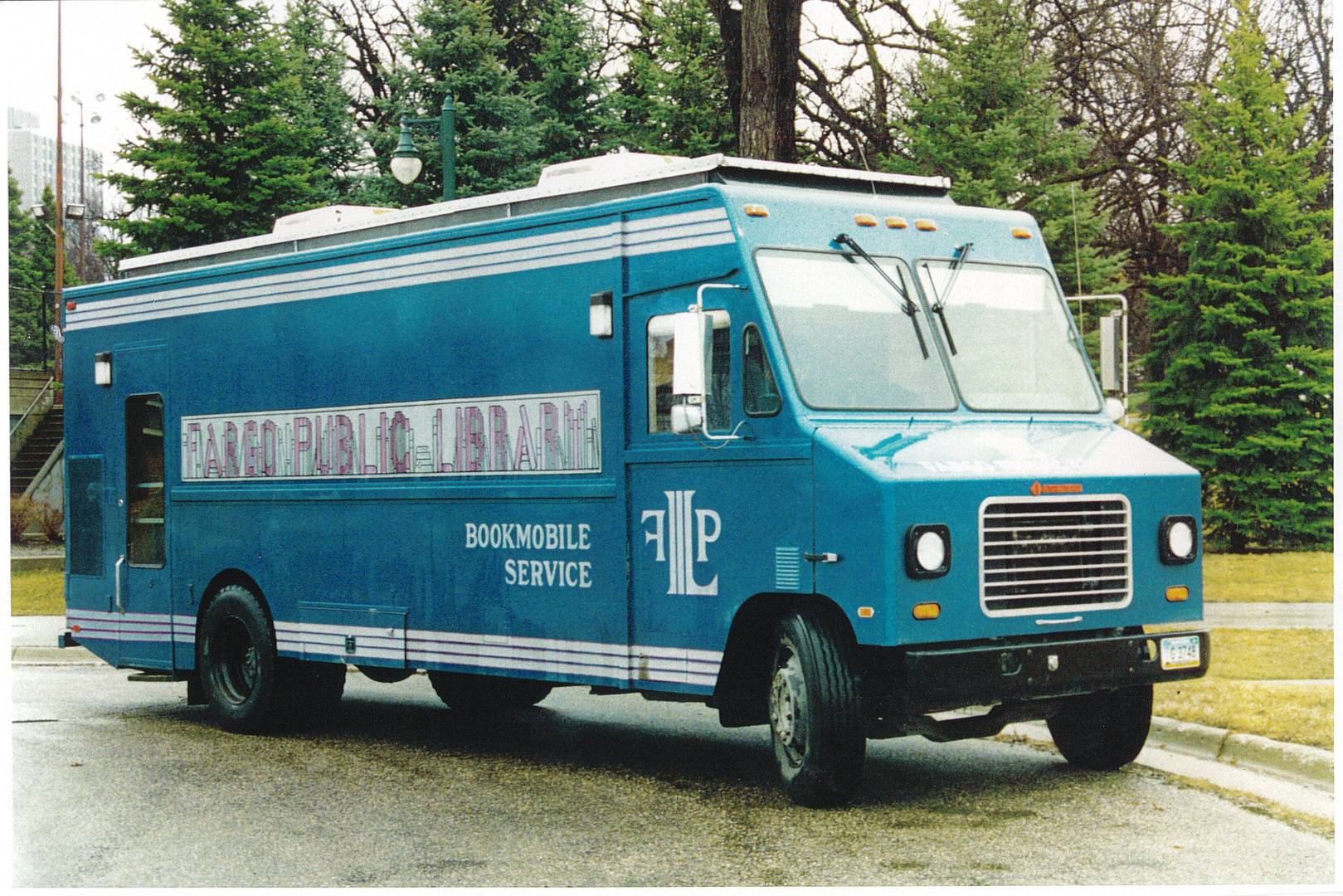
• 1990: The Library's most recent Bookmobile was purchased. It was in service until May 2006.
• 1997: In June 1997, the first public internet computers at Fargo Public Library became available. The service was begun slowly with only two computers in the adult services section. Individuals were only allowed 30 minutes of use, but even without advertising use picked up right away. At the same time, the Library’s first-ever website went live and included two pictures of the crabapple trees in bloom and links to a variety of useful websites. Additionally, patrons were able to access the Library catalog from home computers for the first time. The Fargo Library was rushing towards the 21st century.
The Friends of the Fargo Public Library
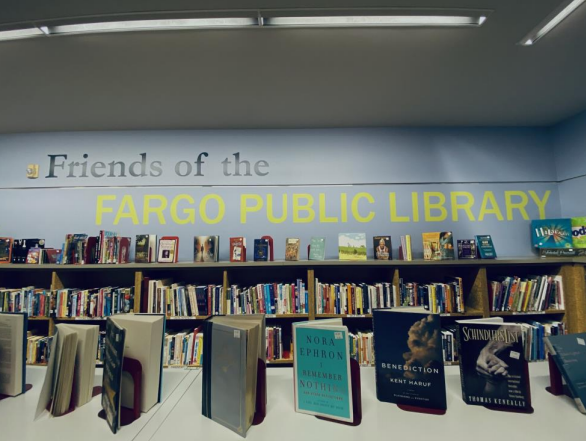
• March 1995: The Friends of the Fargo Public Library are officially established. Prior to 1995, different Friends groups had been created to help with specific projects, but it was not until March 1995 that the current, permanent Friends of the Fargo Public Library group was established. The Friends of the Fargo Public Library provide advocacy, as well as fundraising and support for Library programs and special projects.
The Southpointe Branch
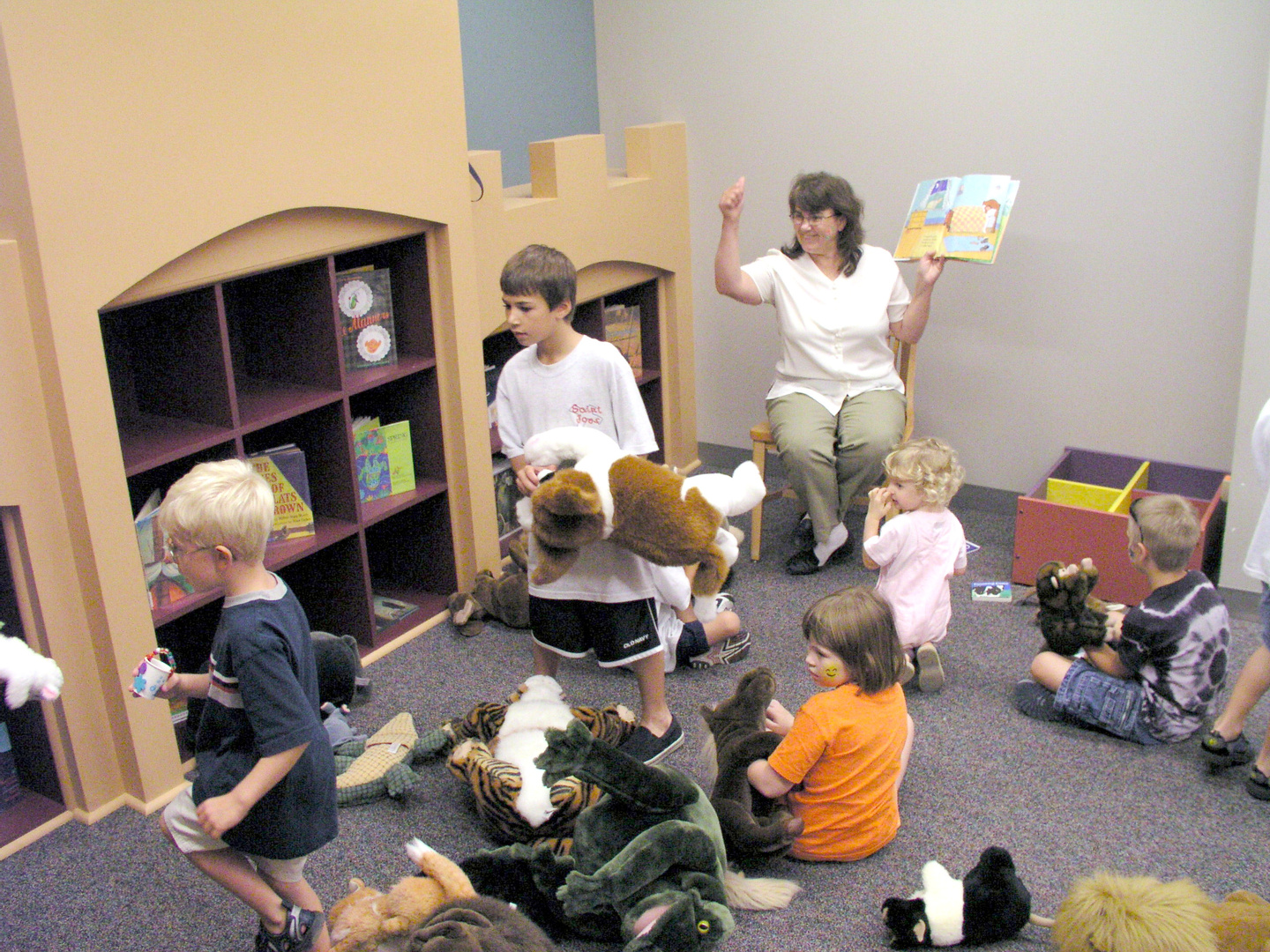
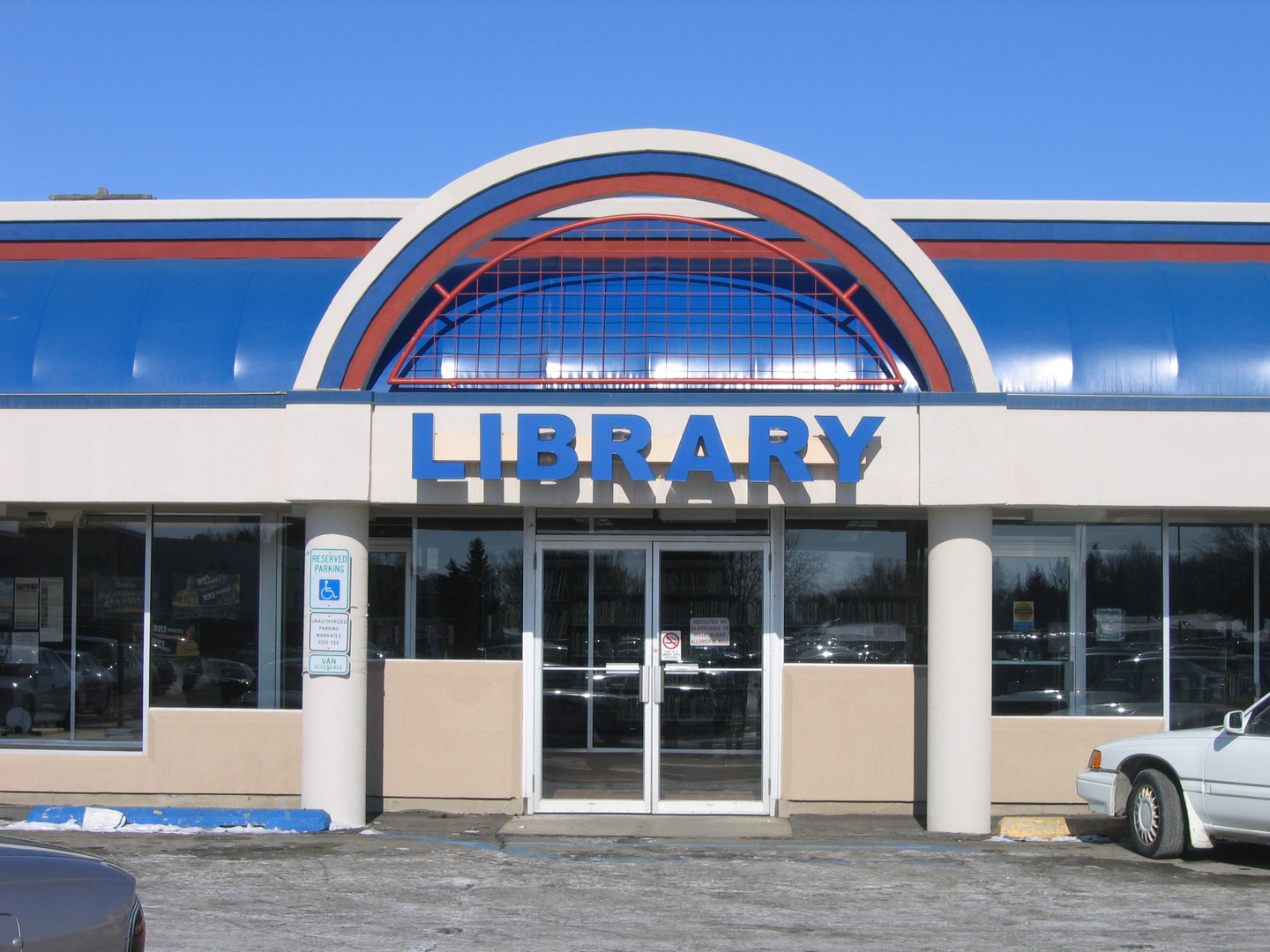
• August 6, 2002: The Fargo Public Library opened the Southpointe Branch in the strip mall at the corner of 25th Street and 32nd Avenue South to the public. According to library records, 150 people walked through the door in the first hour that it was open. This was the first Fargo Public Library branch location. With more than 35,000 visitors in the first five months, it was clear that the residents of Fargo were ready for more library services.
The Northport Library Branch
• November 2004: The voters of Fargo approved funding for a half-cent sales tax for expanded library services in Fargo. Sixty-two percent of voters voted yes on the sales tax to build three new libraries for Fargo. The city sales tax was in effect for 18 months, starting January 1, 2005 and ending June 30, 2006.
• 2005: Responding to the clear excitement and demand for library services, in 2005 the Fargo Public Library hired the architecture firm Meyer, Scherer & Rockcastle, Ltd. to design three new public library buildings which would be opened by 2009.
• July 13, 2006: The Northport Library branch opened to the public July 13, 2006, in the Northport Shopping Center at 2714 Broadway N. While the Northport Library branch is the smallest branch at 4,000 square feet and 20,000 items in its collection, it is well-loved and a popular feature of the neighborhood.
The Temporary Downtown Library Location on Roberts Street
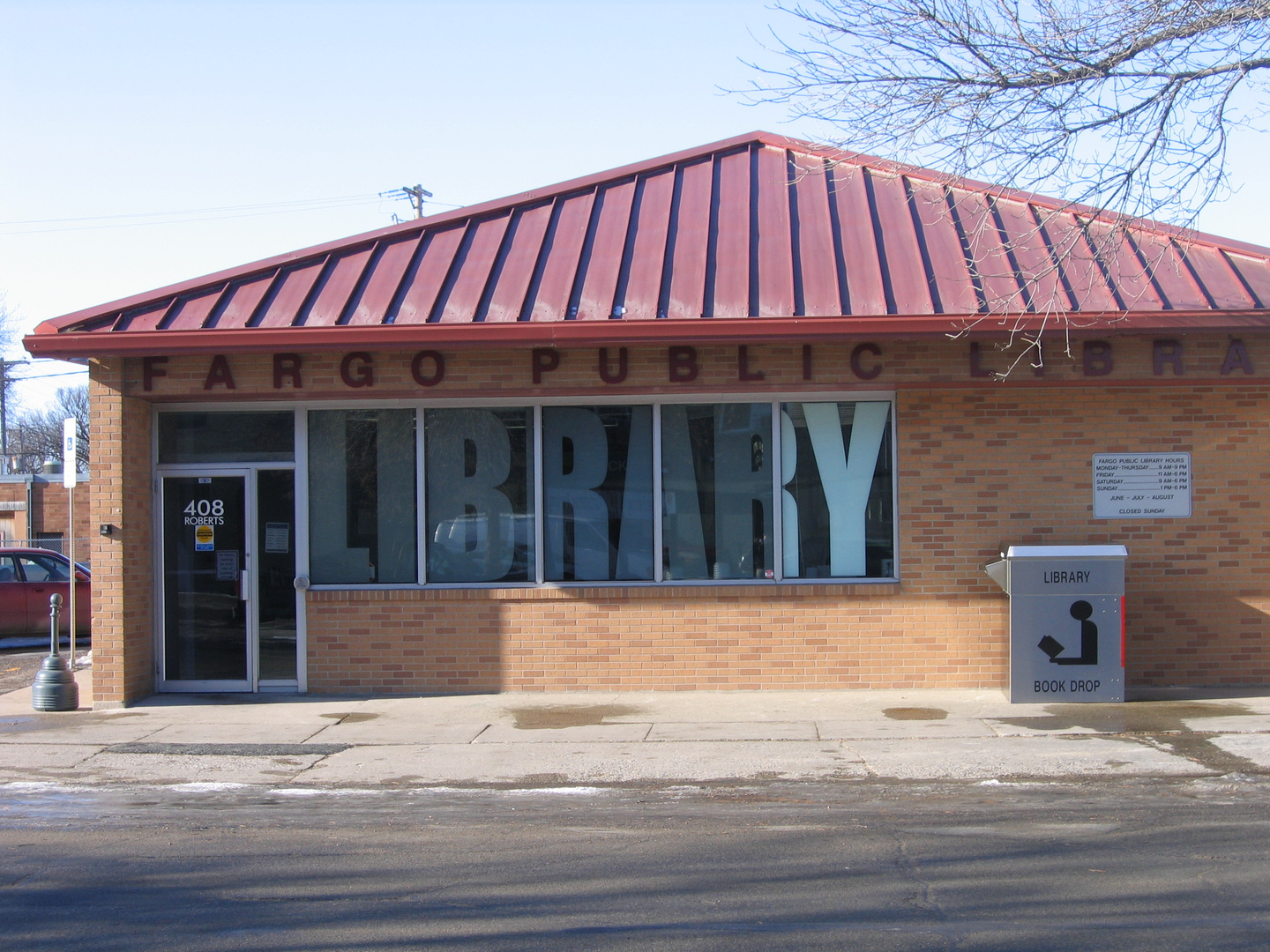
• January 2007-March 2009: Library services downtown were moved to a temporary location at 408 Roberts St. which staff affectionately called “mini-Main” while the current Main Library building was being constructed. Because this temporary location was so small, only about one third of the library’s collection could be housed on site. The rest of the collection was stored at the Public Safety Building in the industrial park in north Fargo.
The Dr. James Carlson Library
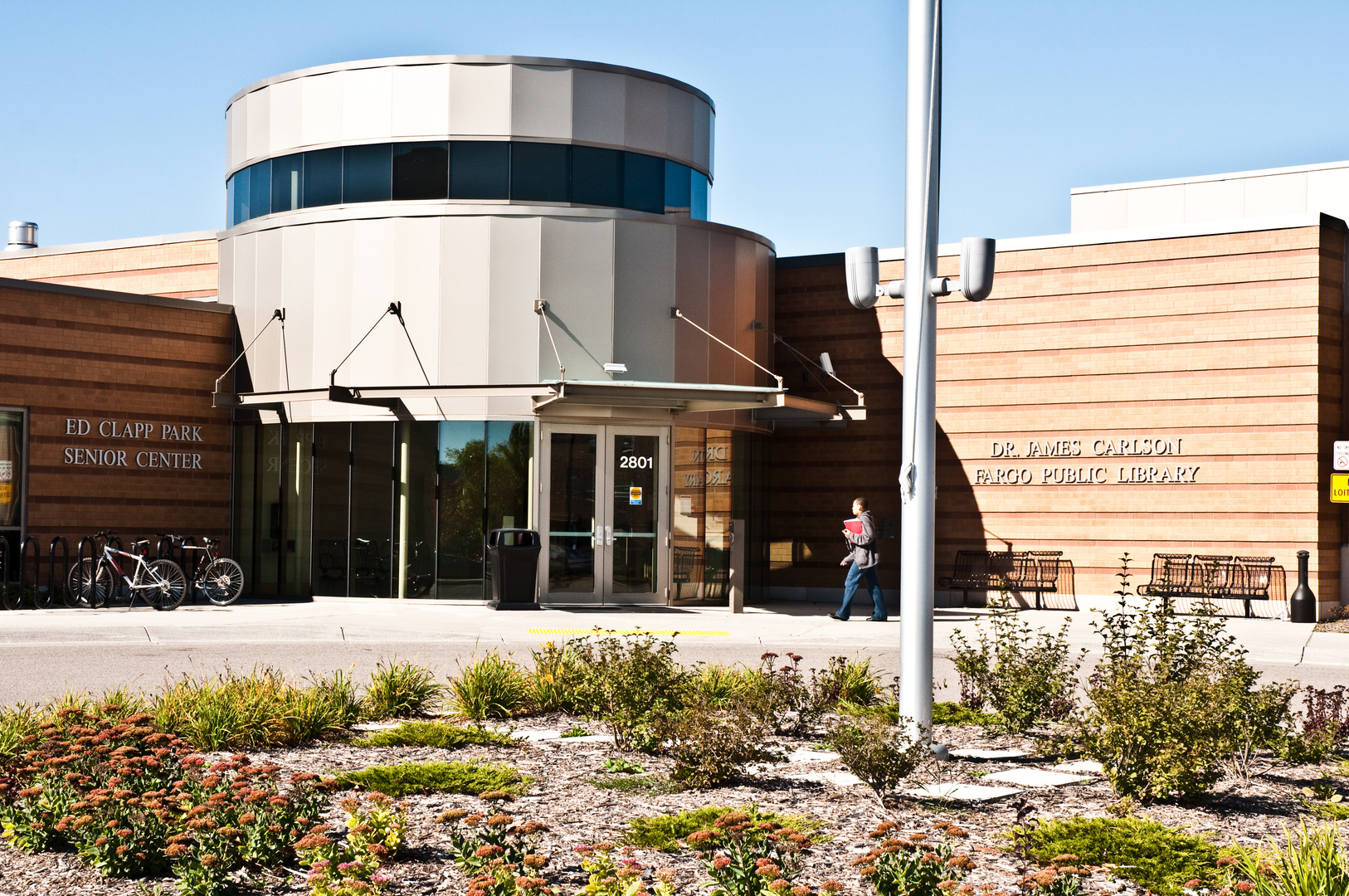
• November 16, 2007: The Dr. James Carlson Library branch officially opened to the public on November 16, 2007, and replaced the Southpointe branch.
• Located at the corner of 32nd Ave. and 28th St. S., the Dr. James Carlson Library is much larger than the Southpointe location was, and with more than 168,000 visitors in 2024 that extra space has been embraced by Fargo residents. At nearly 15,000 square feet, the branch features a children’s area, a teen space, an information desk for reference services, three study rooms, a large conference room, a large community room, and 22 public computers. When the Dr. James Carlson Library branch opened it had a collection of approximately 36,400 items, and in response to steadily increasing demand that collection has nearly doubled to over 67,000 items.
The Main Library
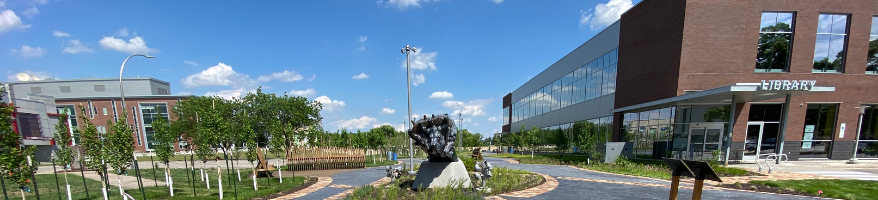
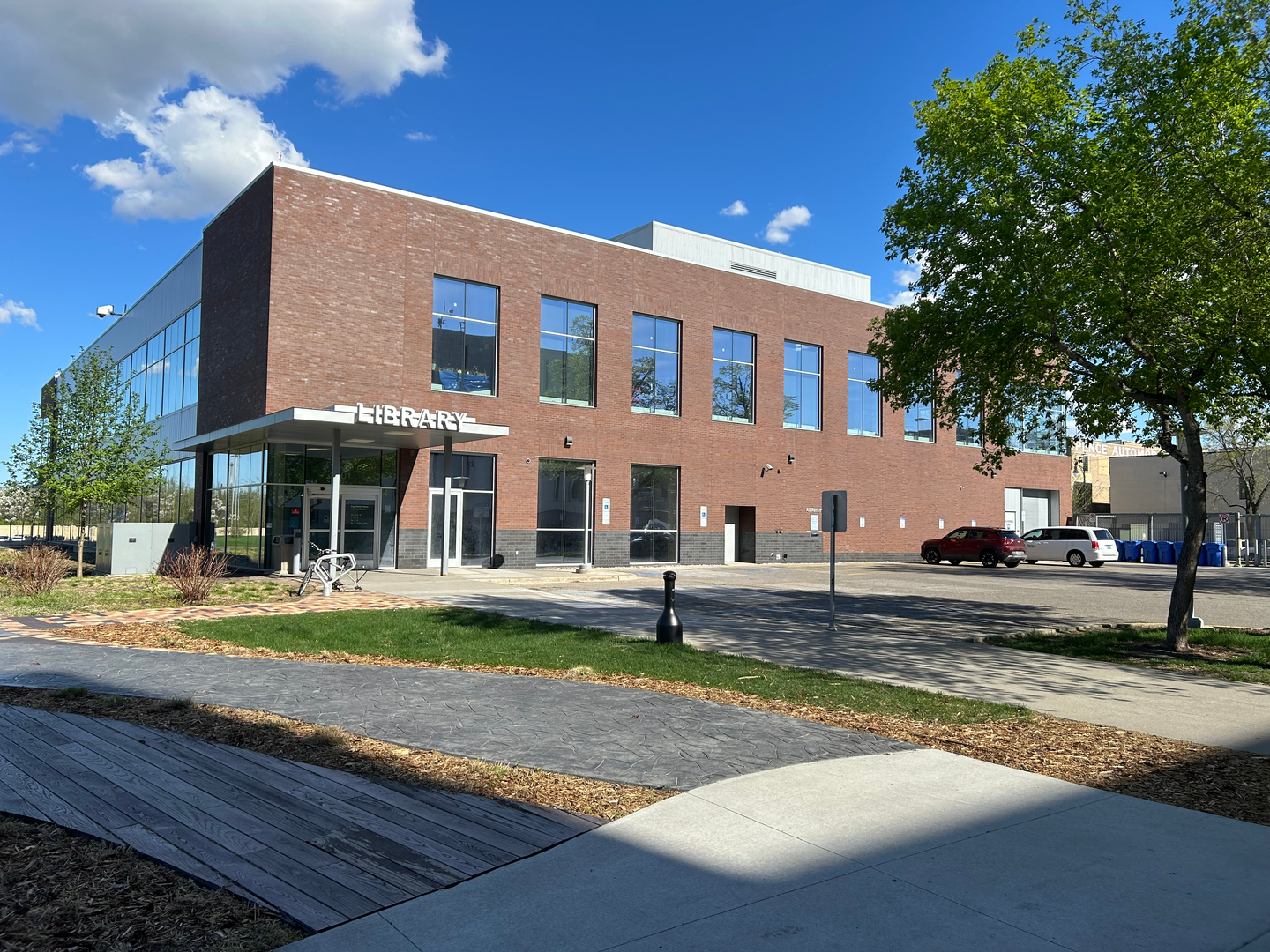
• April 25, 2009: The newest Fargo Public Library building – the Main Library – opened April 25, 2009 at the corner of 1st Ave. and 4th St. in downtown Fargo.
• The Main Library is the largest of the FPL buildings at nearly 54,000 square feet with more than 169,000 items available to check out. Like the previous library building on this site, it has two levels, but it has significantly more space and amenities than the 1968 building. Recognizing the growing needs of the Fargo community, the Main Library was built with six study rooms, a silent reading room, two large conference rooms, a large community room, expanded space for public computers, and a Friends of the Fargo Public Library bookstore in the lobby.
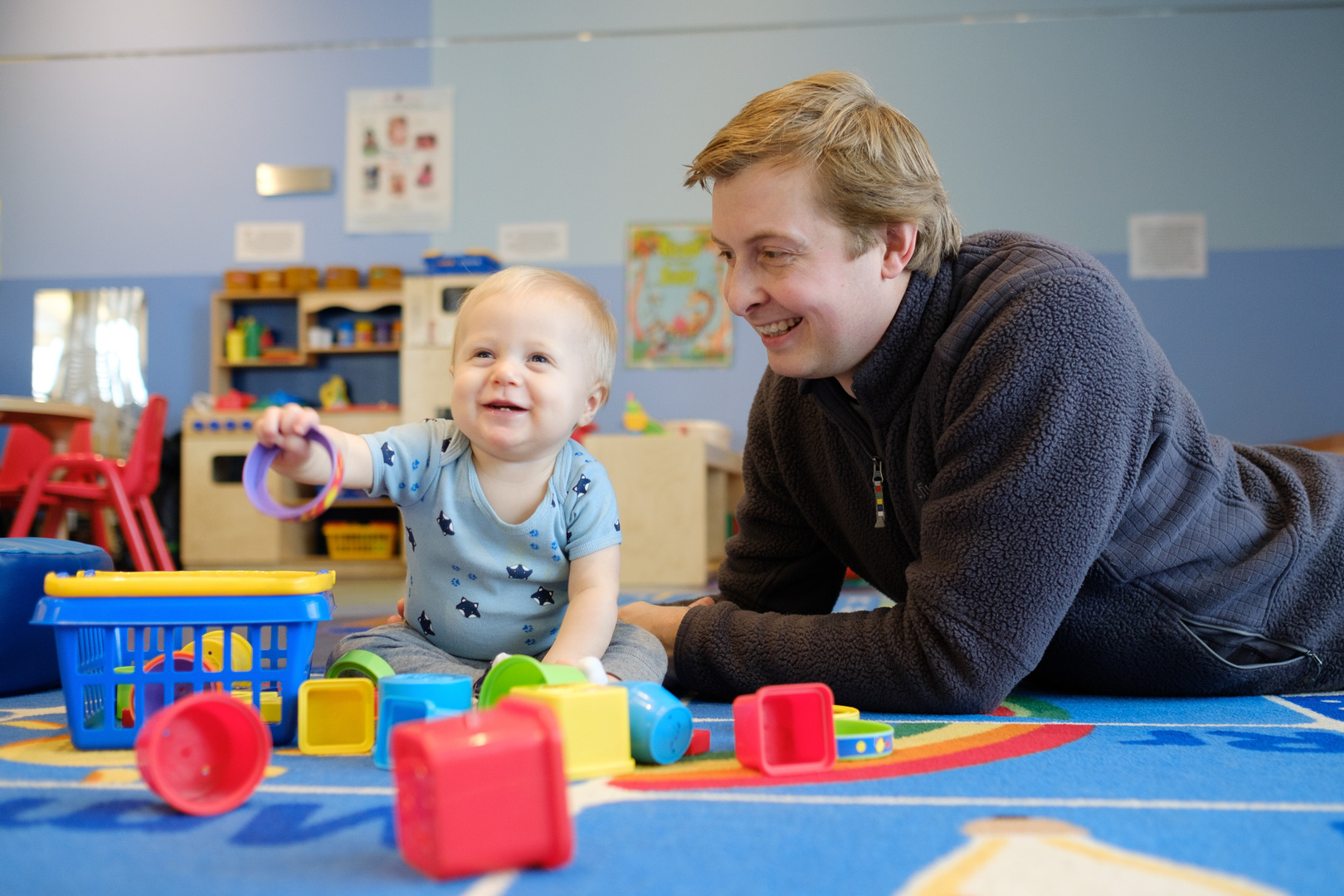
• December 2012: The Wiggle Room opened at the downtown Main Library. Part of the Children's area in the Main Library, this room is designed for young children and their caregivers and is focused on helping kids build early literacy skills through one of the most important ways children learn – PLAY! With developmental toys, puzzles, blocks, costumes, and a writing center, there is something to engage every child.
Contact Us
If you have any questions or comments, please contact us.